Building Building Water Reduction For Commercial, Industrial, and Manufacturing Facilities
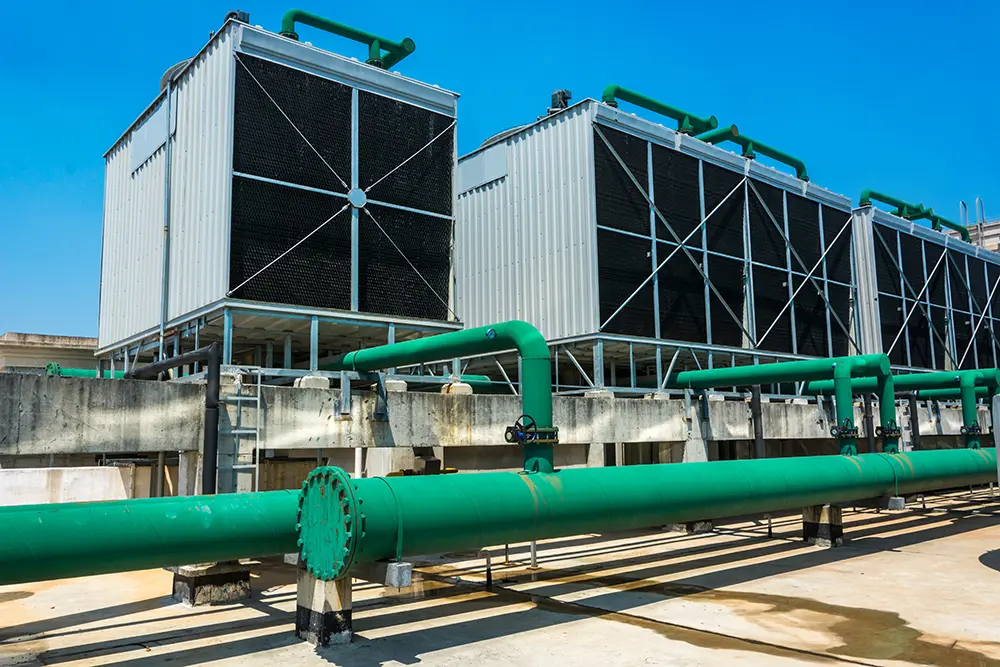
Water use is strongly linked to energy consumption and reliable operations for businesses and organizations with larger facilities. In these buildings where water plays a critical role, water use inefficiencies often result in higher costs and long-term risk. That’s why Quandel improves system performance while helping businesses use less water. This in turn reduces costs, makes operations more efficient, and lowers the impact on the environment.
Contact Us
"*" indicates required fields
How Do You Know If Your Facility Is Experiencing Water Waste?
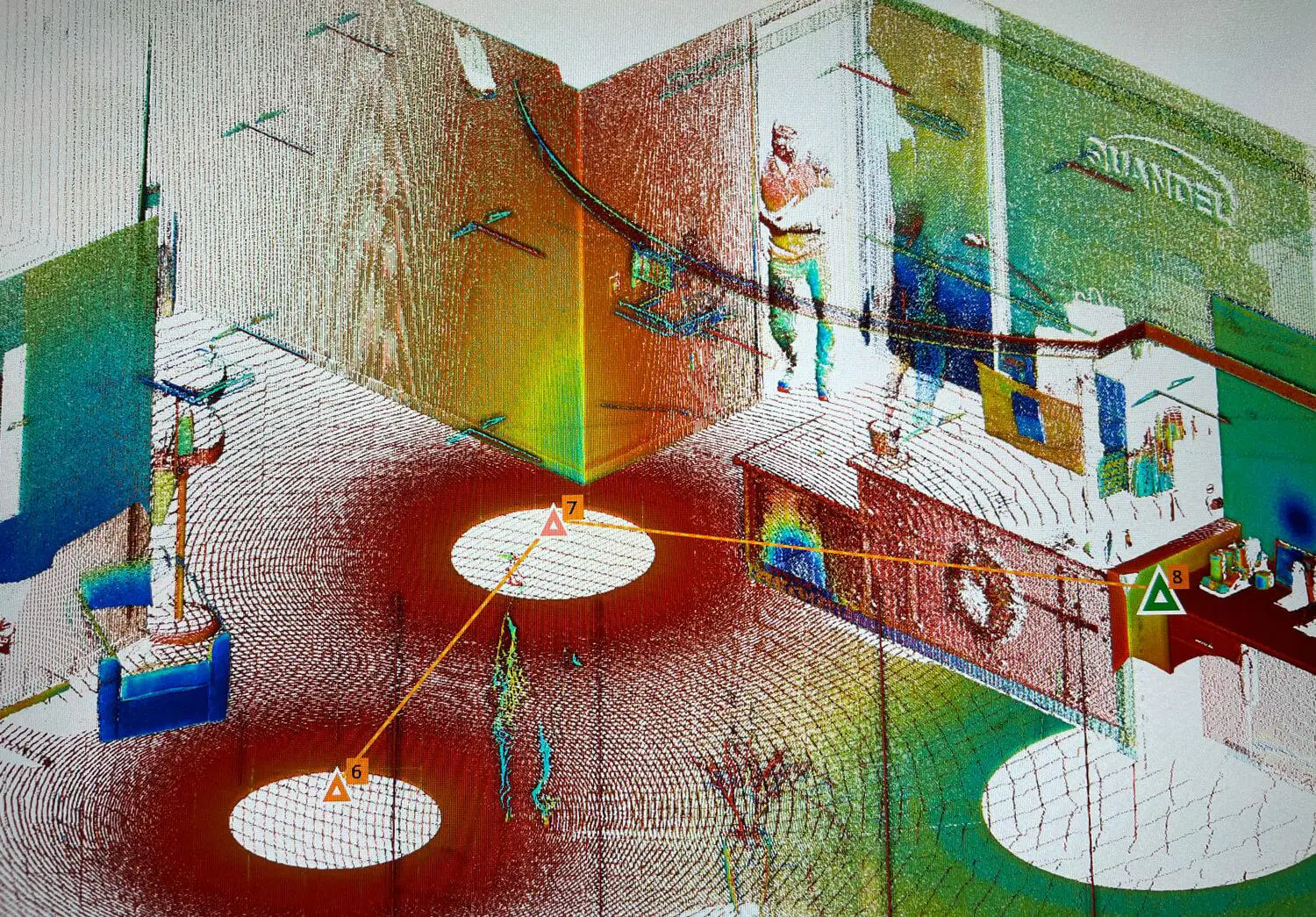
Effective commercial water reduction starts with understanding how water moves through each part of your facility and what the actual needs your facility has. Reviewing current utility consumption alongside actual operating conditions can help determine whether higher water use is tied to one system or reflects a broader opportunity for improvement.
Quandel Energy Solutions can use that information to identify water efficiency improvements that make sense for the way the facility operates. Depending on what is found, opportunities may involve correcting unnecessary consumption or making larger improvements to the systems responsible for using and managing water. Establishing a clear baseline through a Level 1 Energy Audit first gives facility leaders a clear road map as to which steps towards improving their processes can be done first.
How Water Reduction Practices Support Long-Term Efficiency
Finding waste, increasing system effectiveness, and strengthening operational control are the main goals of water reduction services. These initiatives are particularly beneficial in municipal infrastructure, hospital settings, and manufacturing facilities.
Water reduction initiatives may include:
- Process and system efficiency improvements
- Equipment upgrades and optimization
- Leak detection and operational adjustments
- Integrated energy and water performance strategies
Water conservation enhances system resilience, promotes sustainability goals, and lowers utility costs. Improvements in water efficiency frequently result in lower energy requirements for multiple parts of every-day operations.
Where Should Water Reduction Start?
Effective commercial water reduction starts with understanding how water moves through each part of your facility and what the actual needs your facility has. Reviewing current utility consumption alongside actual operating conditions can help determine whether higher water use is tied to one system or reflects a broader opportunity for improvement.
Quandel Energy Solutions can use that information to identify water efficiency improvements that make sense for the way the facility operates. Depending on what is found, opportunities may involve correcting unnecessary consumption or making larger improvements to the systems responsible for using and managing water. Establishing a clear baseline through a Level 1 Energy Audit first gives facility leaders a clear road map as to which steps towards improving their processes can be done first.
SEND US A MESSAGE
Get Water Reduction Improvements For Your Facility With Quandel
Quandel manages water efficiency projects from conception to completion, making sure improvements are made while keeping practical limitations in mind. Our expertise in overseeing intricate systems enables institutions to make enhancements without sacrificing functionality.
To find out how water reduction services may increase resilience and efficiency throughout your operations, contact Quandel Energy Solutions.
"*" indicates required fields