Caught-in accidents happen when you’re caught, squeezed, crushed, pinched, or compressed by equipment, machinery, materials, or other objects. OSHA calls this the Caught-In / Caught-Between Hazard, and it’s one of construction’s Focus Four Hazards. Your work exposes you to many caught-in hazards, including: Working around moving or rotating machinery, mobile equipment, shifting materials, and trenches. You could be caught between equipment and a wall, vehicle, or another fixed object. You can be pulled into moving machinery. You could be trapped when materials shift, roll, or slide. Equipment parts can also move unexpectedly during repair, adjustment, cleaning, or maintenance. The consequences of a caught-in accident can be severe. You can suffer a crushing injury, permanent damage to a part of your body, an amputation, or even death.
Look for pinch points before you start a task. A pinch point is a place where two objects can come together or where a moving object can trap part of your body against another object. Think about what can move or shift, and what could happen if something moves unexpectedly. Keep your hands, feet, and body out of these areas. Don’t assume that a small clearance will protect you.
Be especially careful around heavy equipment. Never put yourself between moving equipment and a solid object. If the equipment moves toward you, there may be no way for you to escape. Don’t get in the path of moving equipment unless your task requires you to be there. In these situations, communicate with the operator, use a spotter, and stay in designated areas to make sure the operator knows exactly where you are at all times.
Keep your hands and body away from moving machine parts. Never remove or bypass a guard. Follow LOTO procedures before putting any part of your body into a danger zone. If a machine jams, stop and control hazardous energy before clearing that jam. Before cleaning, maintenance, repairing, or adjusting, shut down the machine and control hazardous energy.
Don’t place your body where shifting material could trap you against a solid object. Pipes, steel, forms, lumber, and other materials can roll, shift, slide, or collapse. When positioning or moving materials, keep your hands and feet out of potential pinch points.
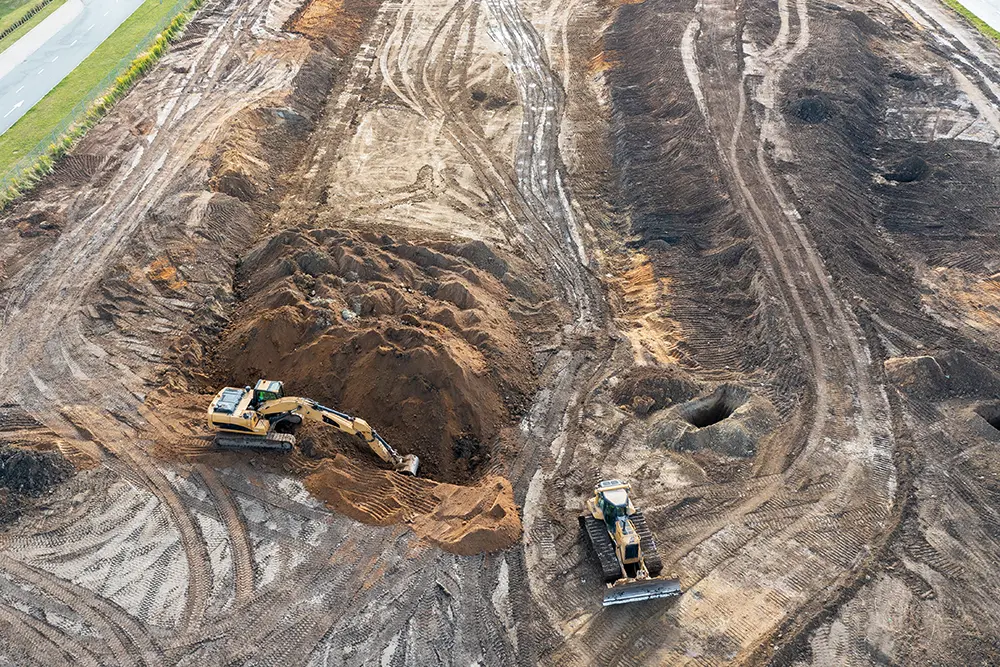
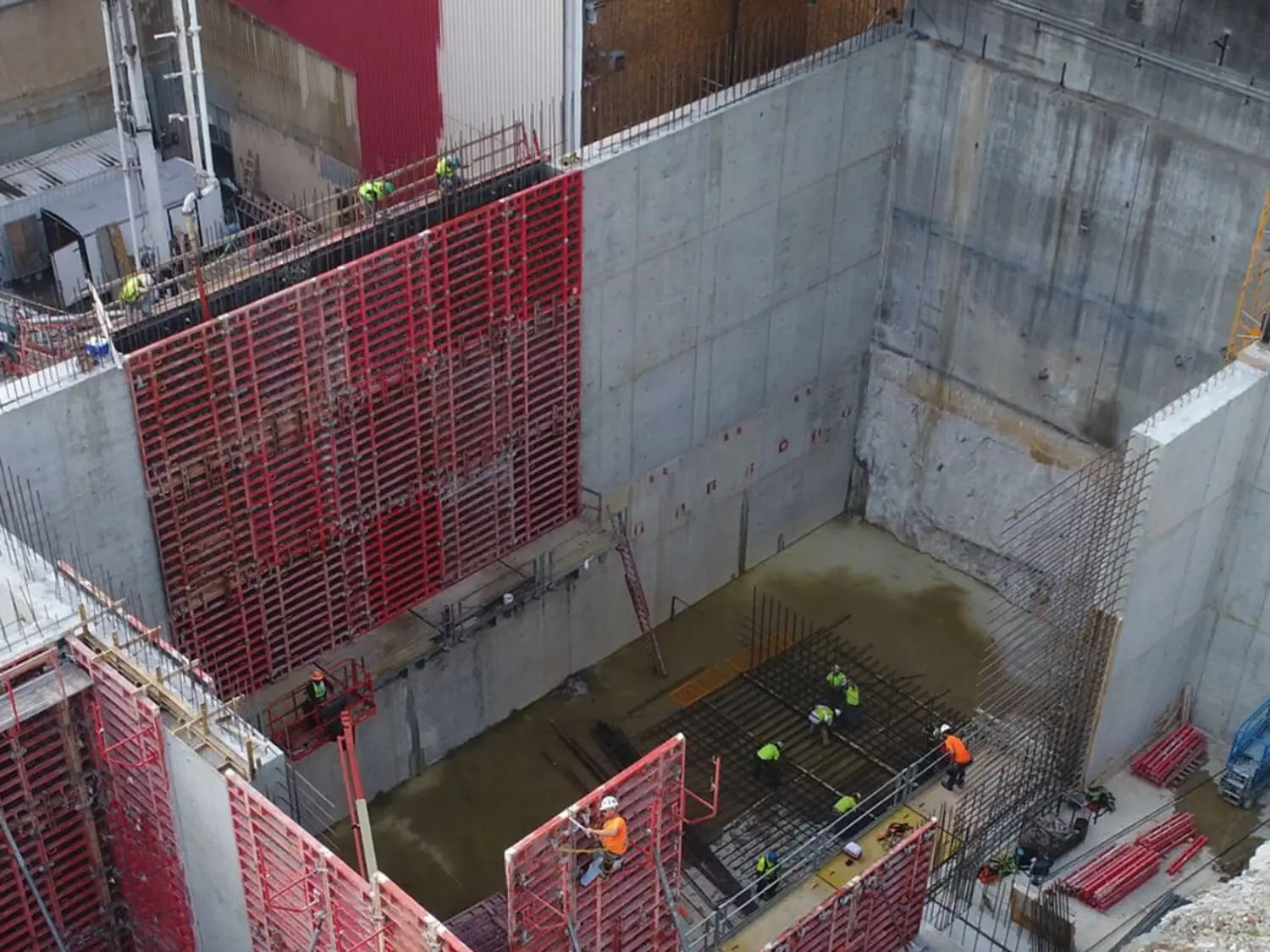
Trenches and excavations are serious caught-in hazards. A cave-in can bury and crush you in seconds. Never enter a trench or excavation unless the required protective system is in place and a competent person tells you it’s safe to enter. Don’t assume a trench is safe because it was safe yesterday. Conditions can change because of rain, nearby equipment, or changing soil conditions. Keep materials and equipment back from the edge.
SAFETY REMINDER
Stored energy can move jammed snowblower blades. Lock out the machine before clearing any jam.
Safety Meeting Outlines, Inc. Safety Meeting Outlines. Safety Meeting Outlines, Inc., www.safetymeetingoutlines.com/. Accessed 1 Nov. 2026.