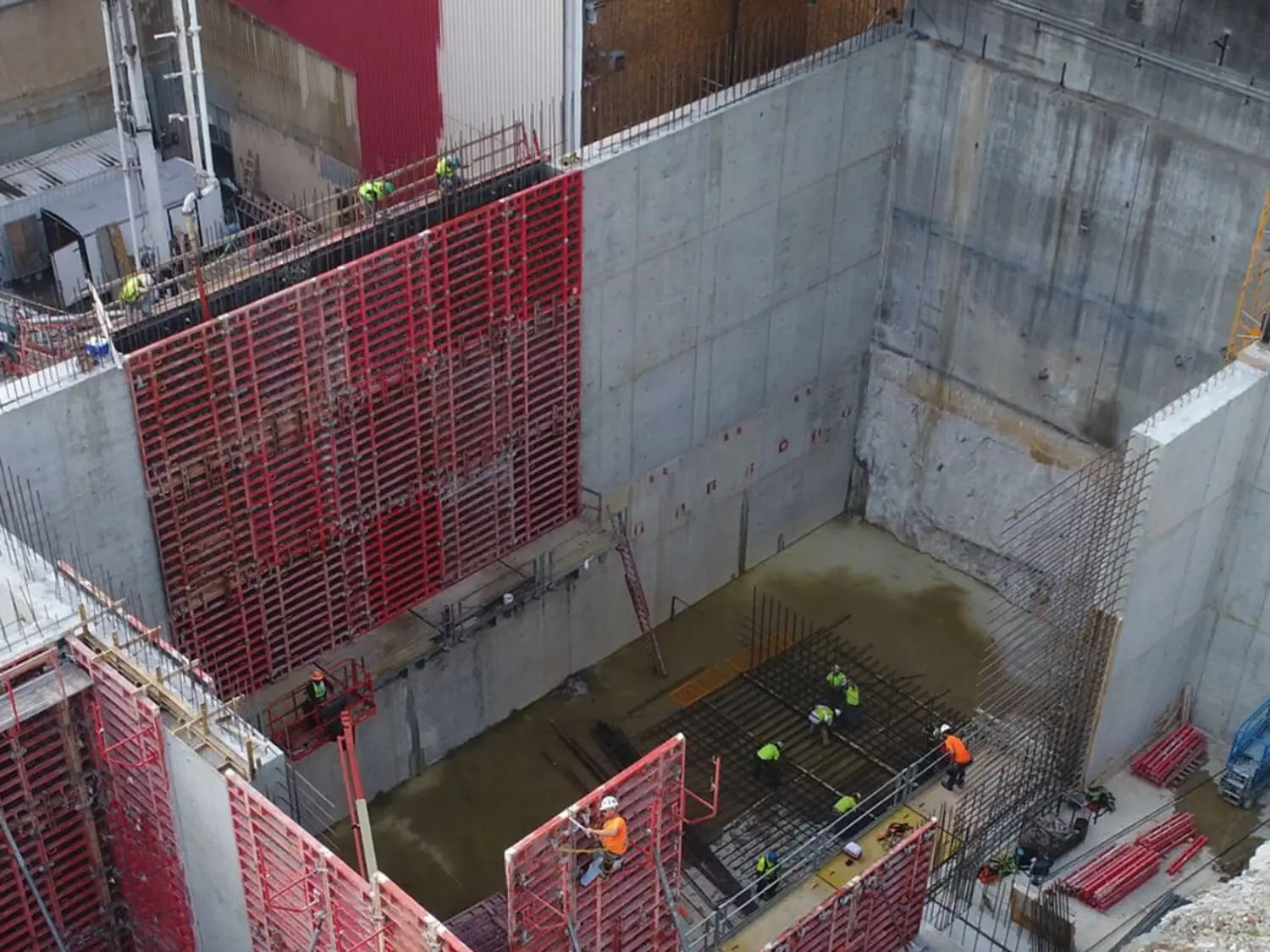
Quandel Energy Solutions was hired by a food processing company located in central Pennsylvania to perform an ASHRAE Level II energy audit of its production campus that consists of a primary processing plant, on-site wastewater treatment plant, and supporting infrastructure.
About The Food Processing Facility Where We Performed The Energy Audit
The factory features a compressed air system that runs throughout production, a high-pressure steam system serving as the primary energy source for processing, and significant water requirements, peaking at 1.5 million gallons daily during the tomato canning season. The campus spends more than $614,000 on energy each year, mostly for natural gas and electricity.
The RISE PA Grant Program
Once the audit was complete, Quandel Energy Solutions applied for and received a RISE PA grant for the client. Pennsylvania’s $396 million industrial decarbonization grant program, RISE PA, will be funded by the EPA’s Climate Pollution Reduction Grants, which were created by the Inflation Reduction Act. The program offers grants to Pennsylvania businesses for up to 50% of the cost of eligible projects to improve energy efficiency, electrification, and emissions reduction.
Understanding the Facility’s Energy Challenges
In many food processing facilities there is aging infrastructure that directly impacts the buildings’ efficiency and operation. Below are the key areas identified for the facility’s energy challenges:
1. Aging Steam Infrastructure
The facility’s energy profile is driven by a steam-intensive food processing business that uses legacy boiler infrastructure, some of which dates back to the 1960’s. So every year they bring in a temporary rental boiler for the high season.
The boiler plant consists of two water tube boilers and one oil-fired backup unit operating at 110 psi steam pressure.
2. Compressed Air System Inefficiencies
The compressed air system, operating at about 100 psi, had not been leak tested, and initial data indicated that one of the compressors was running all of the time, even with little or no output, an obvious sign of large leakage losses.
3. Wastewater and Water Management Concerns
Discharge temperature compliance is another area of concern for the plant. The current mitigation method is to pump well water to dilute and cool the effluent from the wastewater treatment plant, which is currently above permitted stream temperature limits.
The plant is now applying to renew its permit, and authorities have the ability to lower the discharge temperature restriction by over thirty degrees. It draws 1.5 million gallons from its aquifer each day and has no other source if the aquifer runs dry.
4. Energy Benchmarking Results
Energy benchmarking showed a fuel intensity significantly higher than the peer group median. The main plant and the waste water facility were above the 50th percentile of industrial peers in the 5A climatic zone.
Steps QES Took To Overcome Their Energy Challenges
Quandel Energy Solutions completed a Level II energy audit and developed a detailed preliminary ECM matrix that identified 20 unique opportunities for energy reduction within the building.
The ECMs include:
- Wastewater process improvements
- Heat recovery
- Compressed air system improvements
- Steam system optimization
Key Energy-Saving Opportunities Identified
With every problem comes a solution. Below are the energy-saving opportunities identified in the energy audit we performed for the food processing facility:
1. Compressed Air System Improvements
The most important results were in four areas. The audit data shows that leaks alone could represent at least 30% of total compressed air output, which makes the compressed air system the most immediate opportunity.
Fixing leaks and increasing system pressure could save at least $200,000 a year in electricity costs.
2. Steam System Optimization
One failed-open trap on a 110-psi main costs over $80,000 in lost steam alone per year, so the steam trap system had to be fixed now.
3. Boiler Heat Recovery
Installation of stack economizers and boiler blowdown heat recovery represented simple capital expenditures with solid return characteristics.
4. Combined Heat and Power Improvements
In addition, the non-operational combined heat and power unit at the wastewater treatment plant is a significant cost burden as the facility currently flares digester gas at a cost of over $20,000 per month in propane.
The CHP replacement would provide net savings of approximately $52,000 per year, plus removal of the ongoing propane flaring cost.
Securing RISE PA Grant Funding
Once the audit was complete, QES applied for RISE PA grant funds on behalf of the facility. The award was made, and QES is now submitting reimbursement requests as qualified project implementation expenses are incurred.
Why An Energy Audit Is Important
Food and beverage manufacturers operate some of the most energy-intensive facilities in the industrial sector, and most have never undergone a systematic review of their energy expenditures. Typical findings are compressed air networks that have never been leak tested, steam systems with equipment that is decades old, and heat recovery opportunities that have been missed for years. Sometimes these institutions spend a lot on energy, but they should be spending a lot less.
Quandel Energy Solutions has the technical know-how to identify such gaps, the grant navigation expertise to tap into funding programs like RISE PA, and the construction delivery ability to implement upgrades with no interruption to production. Our audit methodology gives manufacturers a low-risk, supported way to move forward, with a clear, verifiable picture of their energy profile before committing to a larger investment
Receive An Energy Audit For Your Facilities
If you have a facility in Pennsylvania, consider getting an energy audit from Quandel. Whether you also operate a food manufacturing facility in need of energy cost reduction or if you own and operate a hospital, a manufacturing facility, or a wastewater treatment plant.
Our energy audit can determine significant costs in your energy usage so you can make a plan to lower those costs significantly. Contact us today to learn more about an energy audit for your facilities.