School districts have a lot to consider when planning for the future of their buildings. Whether it’s HVAC equipment that may be getting older, a roof approaching the end of its useful life, or electrical and plumbing systems going years without major improvements. When several of those needs begin adding up across multiple buildings, it can become difficult to know what should be addressed first and what can reasonably wait.
A facility needs assessment for schools helps administrators understand those conditions more clearly before they make major facility decisions. By looking closely at the current state of each building and organizing those findings by condition and priority, the district gets a better foundation for planning future improvements and making informed decisions about where its attention should go.
What Is A School District Facility Needs Assessment?
A school district facility needs assessment, also called an FNA, is an evaluation of the current condition of a district’s buildings and major building systems. The assessment gives school leaders a documented baseline that shows how different parts of the facility are performing and which areas may require attention in the coming years.
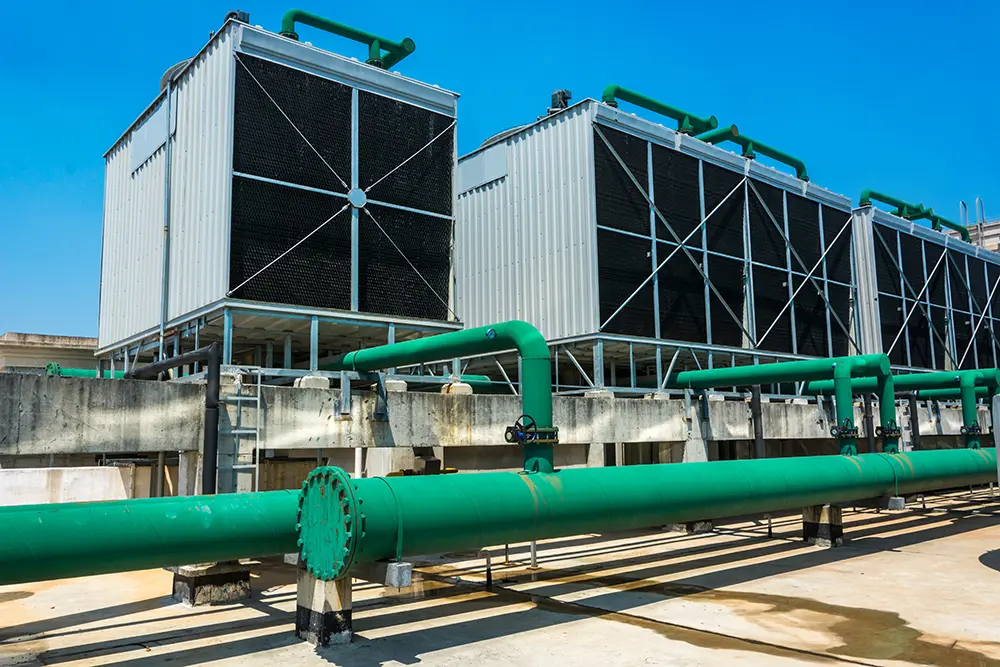
Quandel Energy Solutions recently completed an FNA for a Pennsylvania school district that covered three separate buildings. During the assessment, the team reviewed major systems, including HVAC, electrical, and plumbing, while also evaluating the building envelope. This review included all of the major areas of the facility that play an important role in the long-term health of the school building.
The goal of a K-12 building facility needs assessment is to give the district a practical view of where its facilities stand today. The information can then be used by administrators, facility staff, and eventually school boards or financial advisors as they begin planning for future improvements.
What Does A Facility Needs Assessment Find In A School?
School buildings often contain systems from many different generations. One part of a building may have newer equipment that is performing well, while another part may still rely on equipment that has been in use for decades. Some systems may have received selective upgrades over time while other components have just kept aging and slowly deteriorating.
During an FNA, Quandel reviews these conditions and assigns ratings that help the district understand how much attention each item may require. Systems can be identified as good, fair, poor, or alert, depending on their current condition. Good items are performing as expected and need no near-term action. Fair items are generally functioning but should continue to be watched, while poor conditions indicate systems that are aging or underperforming enough that continued deferral could eventually create larger problems.
Alert items deserve the most immediate attention. In the Pennsylvania school district Quandel assessed, all three buildings had fire system issues that received an alert rating. Fire alarms and other life-safety systems are especially important in K-12 environments, and they are also an area where deferred maintenance can create serious concerns.
At the district’s high school, the assessment also identified poor conditions involving the roof, HVAC system, plumbing, and lighting. These findings gave the district a much clearer picture of which building systems should receive greater attention as it looked ahead at future facility investments.
How A Facility Needs Assessment For Schools Helps Prioritize Building Improvements
One of the biggest challenges with school facility planning is that different problems can be difficult to compare. A roof problem and an aging HVAC system may both require investment, but they involve different levels of urgency and different consequences if they continue to be deferred. When those needs exist across several buildings, deciding which projects should come first becomes even more complicated.
A facility needs assessment for schools creates a consistent way to evaluate those conditions. During Quandel’s assessment, findings were documented with photos so administrators could see the same conditions the assessment team observed while walking through each facility. The team reviewed mechanical rooms, rooftops, and other accessible spaces throughout the buildings and documented the age and condition of the systems that were visible.
Those individual observations are then brought together in a building needs matrix. This matrix includes the condition of each item along with a description of the issue, a recommended course of action, expected benefits, suggested timing, and an estimated budget. Having that information in one place allows the district to look at its needs as part of one larger facility plan instead of treating every maintenance issue as a separate problem.
Using A K-12 Facility Needs Assessment For Long-Term Planning
The budget outlook is another important part of a K-12 facility needs assessment because it begins showing the district where larger investments may be coming from. In the Pennsylvania district example, HVAC represented approximately 47% of the identified investment for the building being reviewed, while roofing represented another 27%. Together, those two areas accounted for nearly three-quarters of the expected facility investment.
Those percentages will look different for every school district, but the example shows why understanding the complete condition of a building can be so valuable. A district may know that several individual systems are getting older without realizing how much of its future facility spending could be concentrated in only one or two major areas.
The budget estimates included in an FNA are planning level estimates, rather than final construction pricing. In this assessment, Quandel used estimates with an expected range of approximately plus or minus 25%. That level of detail gives the district credible numbers for early planning discussions while leaving detailed engineering and project development for the appropriate later stage.
Who Needs A Facility Needs Assessment?
For districts wondering who needs a facility needs assessment, the answer often depends on how clearly they understand the current condition of their buildings. A district with aging facilities, growing deferred maintenance, or several major systems approaching the end of their expected life can benefit from having those needs reviewed together.
An assessment can also be useful when administrators know that major facility spending is likely in the future but do not yet have a clear way to prioritize those investments. Instead of relying only on individual concerns or perceptions about which building needs the most work, a school district facility needs assessment gives the district documented information that can support those decisions.
Is A Facility Needs Assessment Worth It For A School District?
When considering if a facility needs assessment is worth it, one of the most important benefits is the clarity it creates. School districts can have dozens of known maintenance issues spread across several buildings, but knowing that those issues exist does not automatically create a plan for dealing with them.
An FNA brings those needs together so the district can see which conditions require attention sooner and which ones can be planned for further into the future. That gives administrators a stronger basis for additional facility reviews and eventually for discussions about capital spending.
The assessment can also identify areas that deserve deeper analysis before a project moves forward. Depending on what is found, the next step could include an energy audit, capital planning, or performance contracting to address larger facility improvements.
Start Planning Your School District’s Facility Needs With Quandel
A facility needs assessment for schools gives administrators a starting point for understanding what is happening throughout their buildings and what may need to happen next. For districts dealing with aging systems or deferred maintenance, having that information organized into one clear plan can make future facility decisions much easier to manage.
Quandel Energy Solutions works with school districts and other large facilities throughout Pennsylvania and the surrounding region to assess existing facility conditions and help determine practical next steps. From Facility Needs Assessments and additional building reviews to performance contracting and facility utility reduction services, Quandel can help your district understand its needs and build a path forward.
If your district could benefit from a clearer understanding of its buildings, contact Quandel Energy Solutions to learn more about completing a school district facility needs assessment.