Getting an ASHRAE Level 1 Energy Audit is such a great way for your facility to see your current energy performance as well as find ways to make valuable improvements in the future. While many facility managers understand what an ASHRAE energy audit is, what’s less known is what actually happens during these energy audits. This guide will go over the steps and process of getting an ASHRAE Level 1 Energy Audit and what you and your facility can expect before, during, and after.
ASHRAE Energy Audit Step 1: Initial Conversation
We start an ASHRAE Level 1 energy audit process with a conversation with your facility leaders about your facility and what your organization hopes to learn from the assessment. We want to take time to understand how the building is used and if there are any particular areas of concern or certain things you want checked.
This also gives our team important context before the onsite portion of the audit begins. Every building operates differently, so understanding the facility’s goals helps us know what conditions deserve additional attention when we arrive.
ASHRAE Energy Audit Step 2: Utility Data Collection
Next, Quandel works with your team to collect information about your facility’s utility and energy usage. This helps us create a baseline assessment that will help us as we monitor the current energy performance and compare. Depending on what information you have available, this can include electricity and fuel usage over time along with other information that helps explain how the building operates.
ASHRAE Energy Audit Step 3: Building Walkthrough
The energy audit building walkthrough allows Quandel to see how the facility is actually operating. Our team comes to your building and does a thorough inspection of your facility, looking at key building systems as well as other areas of your building like entreways and crawl spaces to get a detailed understanding of how your building uses energy to keep operations running.
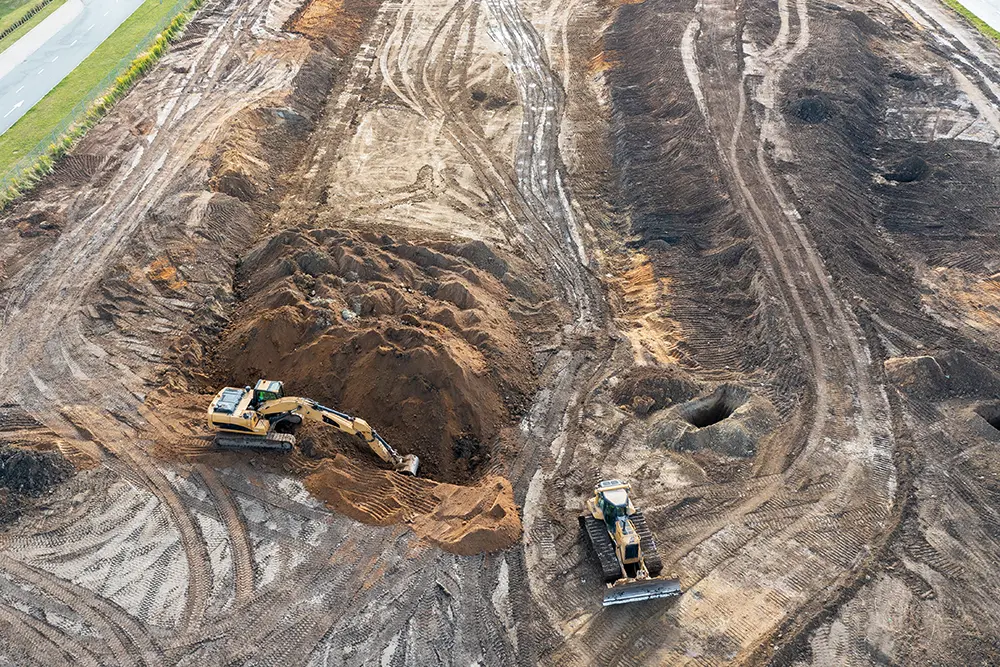
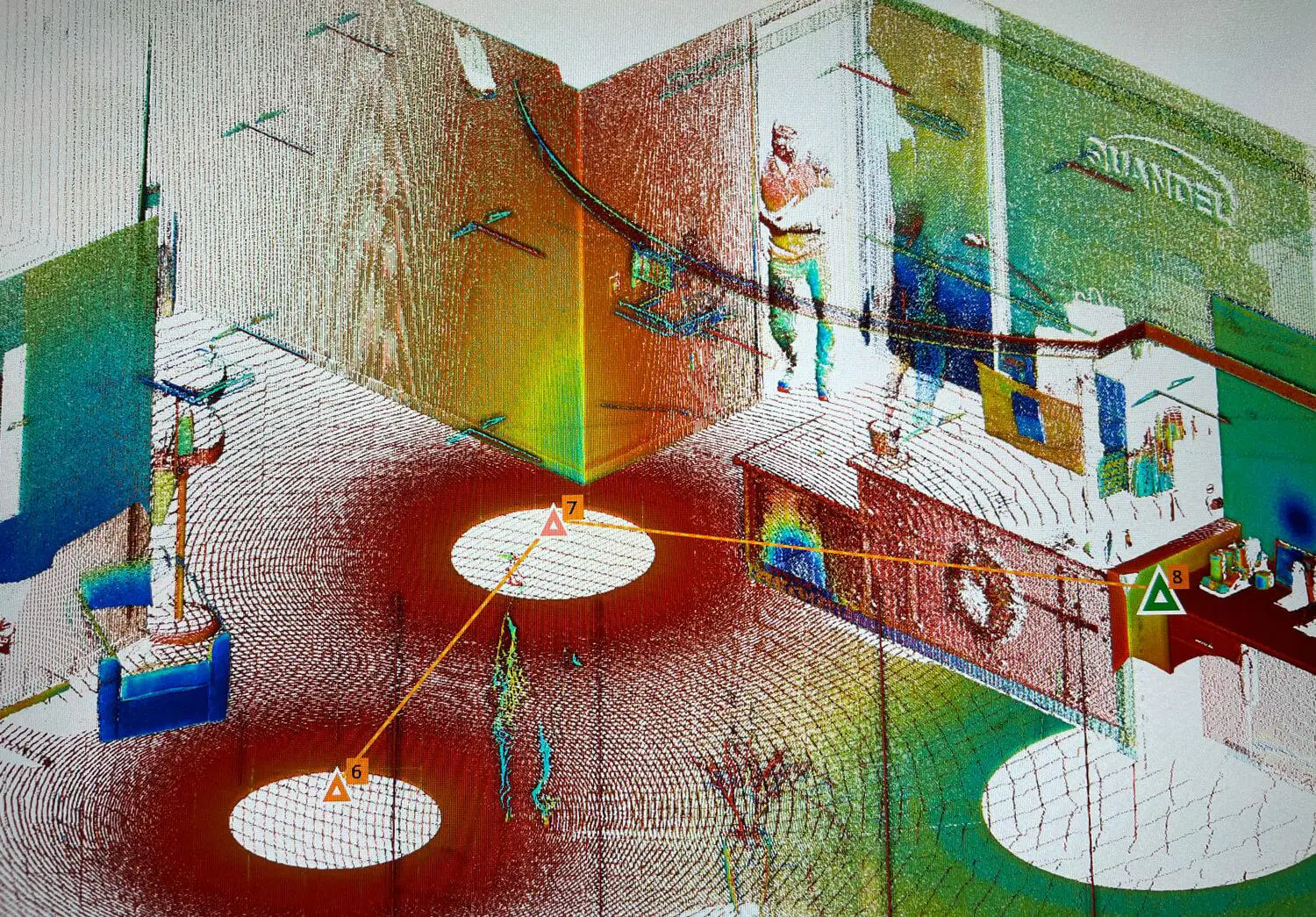
Sometimes we use 360-degree cameras to document areas throughout the facility so conditions can be reviewed after the walkthrough. Scanning tools and drones may also be used where appropriate to help our team understand the building and areas that may be difficult to document from the ground.
ASHRAE Energy Audit Step 4: Interviews With Facility And Operations Personnel
After a building walkthrough, the next step is interviewing the personnel working at your facility. The people that are working in your building day in and day out often have valuable insight into how your building actually performs. We want to get an understanding of normal building schedules and any recurring problems they have noticed, because these conversations may bring attention to areas that are consistently uncomfortable or equipment that has become difficult to operate. Energy performance data is important, but talking to real people can give insights that don’t show up on paper.
ASHRAE Energy Audit Step 5: Review Of Major Energy-Consuming Systems
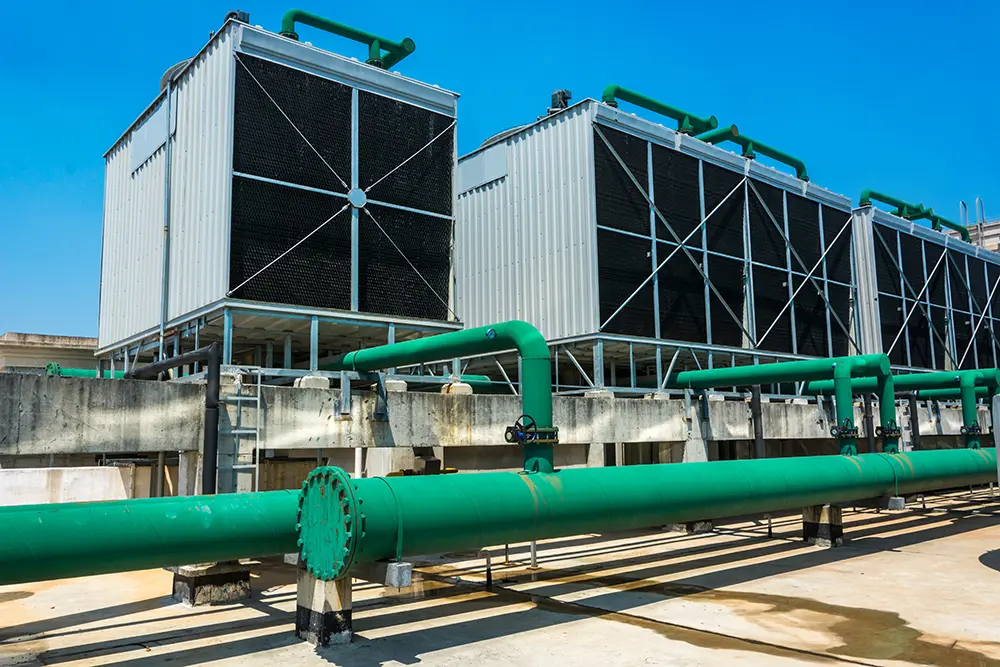
Quandel then looks more closely at the systems responsible for a large portion of the facility’s energy use. The exact systems reviewed will depend on each particular building; each building for each industry has its own goals and important functions.
The goal here is to understand how those systems are performing and whether current operating conditions may be contributing to unnecessary energy consumption. This review helps connect the information gathered from the previous steps, putting your utility data together with the observations from our team on the ground as well as people working in your facility to get the best understanding of the current state of your building’s energy systems.
ASHRAE Energy Audit Step 6: Identification Of Energy Conservation Measures
Once we understand where your facility’s energy is currently at, we can start to look towards planning for future improvements. At this stage, Quandel begins identifying potential Energy Conservation Measures, commonly called ECMs. Energy conservation measures identified during an audit are opportunities that may help reduce unnecessary utility use or improve the way your facility’s systems perform.
The opportunities will be different for every facility. Some may involve improving existing equipment, while others might be changes to controls or the way a system is currently operated. At the Level 1 stage, our goal is to identify which opportunities appear valuable enough to consider further.
ASHRAE Energy Audit Step 7: Preliminary Financial Evaluation
After looking at the potential next steps for your facility, we also look at the finances to see what next steps actually make the most sense not only for your facility’s improvements but also for your organization’s short and long-term financial goals. Energy solutions are a serious investment that can have incredible returns, but its important to find next steps that actually fit your company’s current needs.
A Level 1 audit is still an early assessment, so more complicated improvements could require additional investigation before accurate project costs or savings can be developed. If an opportunity appears promising, a Level 2 or Level 3 audit can provide a deeper evaluation before major project decisions are made.
ASHRAE Energy Audit Step 8: Findings And Recommendations
After the assessment is complete, Quandel organizes the information gathered throughout the audit into a report that clearly explains what was found inside the facility. This brings together the past data, the field observations, and the potential energy conservation measures into one place so facility leaders can better understand where energy is being used and where opportunities for improvement may exist.
The recommendations help turn those observations into useful information that your team can evaluate. Instead of looking at individual energy concerns on their own, facility leaders get a more complete picture of current energy performance and which areas may provide the greatest value. This gives your organization a stronger foundation for making future energy decisions without relying on assumptions about what may or may not be happening in the building.
ASHRAE Energy Audit Step 9: Deciding Whether Deeper Analysis Is Justified
The final part of the steps in an ASHRAE Level 1 energy audit is deciding what should happen next. Some facilities may find that the Level 1 assessment provides enough information to begin pursuing a straightforward improvement, while more complex opportunities may justify a Level 2 or Level 3 energy audit.
Those findings can also lead into energy consulting, utility reduction services, or performance contracting when an organization is ready to develop and implement a larger project. The purpose of the initial audit is to give facility leaders enough information to make a more informed decision about which direction makes sense.
If you are wondering what to expect during an energy audit, Quandel Energy Solutions can help you understand your facility’s current energy performance and identify practical opportunities for improvement. Contact Quandel to learn more about starting an ASHRAE energy audit for your facility.